
Customer onboarding is the critical process that new users go through when they start their journey with a product or service. This phase is not just about showing someone how to use a tool but about ensuring they realize the value of their purchase as quickly as possible. A well-executed customer onboarding process sets the foundation for a long-term relationship between the brand and the client. When a business invests in a robust customer onboarding strategy, it significantly increases the chances of customer retention and long-term customer success. The first few interactions a user has with a platform often dictate whether they will become a loyal advocate or churn within the first month. Therefore, understanding the nuances of the onboarding experience is essential for any growth-oriented company.
Benefits of a successful customer onboarding process
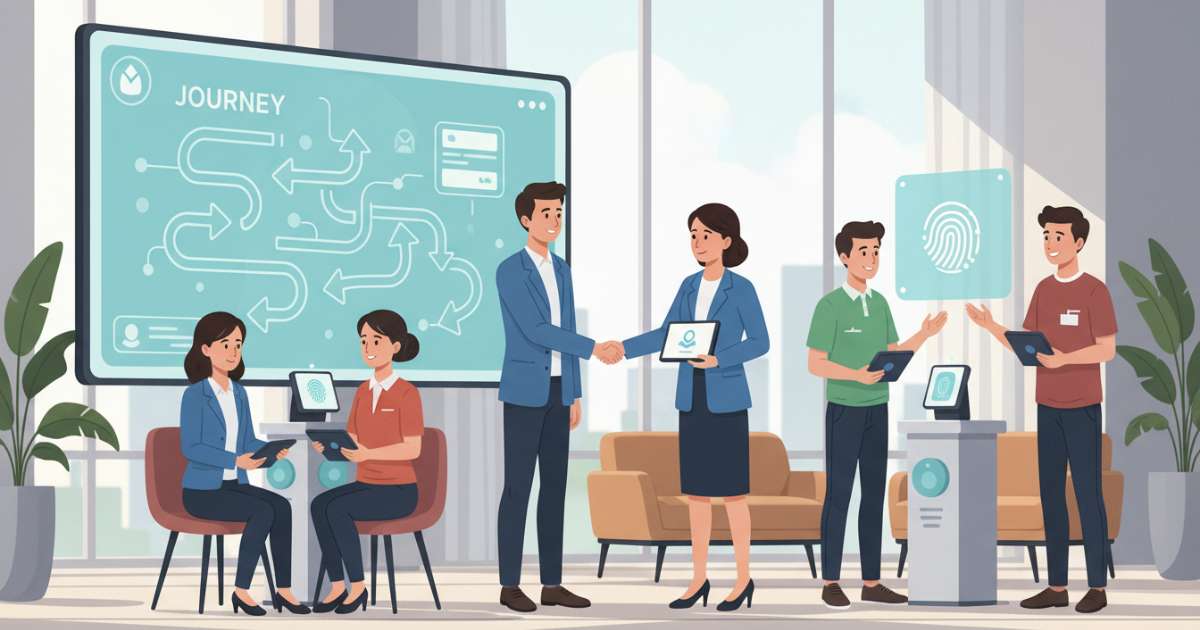
Implementing a structured customer onboarding process offers numerous advantages that directly impact a company bottom line. One of the most significant benefits is the improvement of customer retention rates. When users understand how to navigate a product and achieve their goals early on, they are much less likely to abandon the service. Statistics show that a positive onboarding experience can reduce churn by a substantial margin, as users feel supported and confident in their choice. By focusing on customer onboarding, businesses can ensure that the initial excitement of a purchase translates into long-term usage and satisfaction.
Improving customer retention and loyalty
A primary goal of customer onboarding is to build a strong bond with the user from day one. When the customer onboarding strategy focuses on solving the user specific problems, it creates a sense of trust. Loyal customers are not born overnight; they are developed through consistent positive interactions that begin with the user onboarding phase. By providing clear guidance and immediate value, companies can foster customer loyalty that lasts for years. This loyalty is crucial because acquiring a new customer is often much more expensive than retaining an existing one.
Accelerating time to value for new users
Time to value refers to the duration it takes for a new user to realize the benefits of a product. An effective customer onboarding process aims to minimize this duration. If a user has to spend weeks trying to figure out how a tool works, they will likely get frustrated and quit. However, with a streamlined customer onboarding strategy, users can reach their first success milestone quickly. This immediate gratification reinforces the idea that the product is a necessary solution to their needs, thereby enhancing the overall onboarding experience.
Reducing customer support costs
When the customer onboarding phase is handled correctly, users have fewer questions and encounter fewer technical hurdles. A comprehensive user onboarding program includes tutorials, FAQs, and walkthroughs that answer common questions before they are even asked. This proactive approach significantly reduces the burden on the customer success and support teams. Instead of dealing with basic setup issues, support staff can focus on more complex tasks, leading to better operational efficiency and lower overhead costs for the business.
Essential steps in a customer onboarding strategy

Creating a customer onboarding strategy requires a step-by-step approach that covers every touchpoint of the user journey. It starts the moment a lead converts into a customer and continues until they are fully proficient with the product. A consistent customer onboarding process ensures that no user is left behind and that every individual receives the same high level of care. By breaking down the onboarding experience into manageable stages, companies can better track progress and identify areas where users might be struggling.
Initial signup and welcome email
The customer onboarding journey begins with the signup process. This should be as frictionless as possible to prevent potential users from dropping off. Once the account is created, a personalized welcome email is a vital component of the customer onboarding strategy. This email should not only welcome the user but also provide clear next steps. Including a link to a setup guide or a video tutorial within the welcome message helps maintain momentum and encourages the user to dive back into the product immediately.
Product tour and interactive walkthroughs
An interactive product tour is often the most engaging part of user onboarding. Instead of reading a long manual, users prefer to be guided through the interface in real-time. Effective customer onboarding software can help create these walkthroughs, highlighting key features and explaining their benefits. By focusing on the most important functions first, the customer onboarding process helps users avoid information overload. These tours should be skippable for experienced users but easily accessible for those who need extra help navigating the onboarding experience.
Setting milestones and goals for users
To ensure customer success, it is helpful to set clear milestones during the customer onboarding period. For example, a milestone could be completing a profile or creating the first project within the software. These small wins keep users motivated and provide a roadmap for their journey. A well-defined customer onboarding strategy tracks these milestones and celebrates them, perhaps through in-app notifications or follow-up emails. This approach turns the onboarding experience into a rewarding process that encourages continued engagement with the platform.
Best practices for enhancing the customer onboarding experience

To stand out in a competitive market, a company must offer an exceptional onboarding experience. This goes beyond basic functionality and delves into how the user feels while interacting with the brand. Best practices in customer onboarding involve a mix of psychology, design, and proactive communication. By refining the customer onboarding process, businesses can ensure that every new user feels valued and empowered to succeed with the tools provided.
Personalizing the journey for different user segments
Not all users have the same needs or goals. A successful customer onboarding strategy recognizes this and offers personalized paths based on user roles or industries. For instance, a manager might need to see reporting features, while a technical user might focus on API integrations. Using customer onboarding software to segment users allows for a more relevant onboarding experience. Personalization shows the user that the company understands their unique challenges, which is a key driver for customer success and long-term customer retention.
Keeping the interface simple and intuitive
A cluttered or confusing interface is the enemy of effective user onboarding. The best customer onboarding process is one that feels natural and requires minimal explanation. Design teams should focus on making the most important actions obvious. If a feature is too complex, it might be better to introduce it later in the customer onboarding journey rather than at the very beginning. Simplicity in design enhances the onboarding experience by reducing the cognitive load on the user, making it easier for them to achieve their initial goals.
Providing proactive communication and support
Waiting for a user to ask for help is a reactive approach that can lead to churn. Instead, a great customer onboarding strategy involves reaching out to users before they encounter problems. This can be done through automated check-in emails or in-app messages triggered by specific behaviors. If a user hasn’t logged in for a few days during their customer onboarding period, a gentle nudge can bring them back. Proactive support demonstrates a commitment to customer success and ensures the onboarding experience remains positive throughout the entire transition phase.
Common mistakes to avoid during customer onboarding
Even with the best intentions, companies can make mistakes that hinder the customer onboarding journey. Identifying and avoiding these pitfalls is essential for maintaining a high customer retention rate. Many businesses fail because they treat user onboarding as a one-size-fits-all checklist rather than a dynamic process. By being aware of common errors in the customer onboarding strategy, teams can create a more resilient and effective onboarding experience for their clients.
Overwhelming users with too much information
One of the most frequent mistakes in customer onboarding is trying to teach the user every single feature in one go. This often leads to information overload, where the user forgets everything they have learned. A better customer onboarding process uses a technique called progressive disclosure, where information is provided only when the user needs it. By pacing the onboarding experience, you allow users to master the basics before moving on to advanced settings, which is much more conducive to customer success.
Failing to collect user feedback
A customer onboarding strategy should never be static. Without collecting feedback from new users, it is impossible to know where the customer onboarding process is failing. Companies should actively ask for input during and after the onboarding experience. Simple surveys or feedback forms can reveal confusing steps or technical bugs that are driving users away. Ignoring this data prevents the business from optimizing the user onboarding journey and can lead to a steady decline in customer satisfaction over time.
Neglecting the post onboarding phase
Many companies make the mistake of thinking customer onboarding ends after the first week. In reality, the transition from a new user to a proficient user is a long process. A customer onboarding strategy that stops too early can leave users feeling abandoned just as they start to explore more complex features. Ongoing education and customer success initiatives are necessary to ensure that the initial onboarding experience leads to permanent adoption. Continuous engagement is the secret to maximizing customer lifetime value and maintaining high customer retention.
Measuring the success of your customer onboarding efforts
To improve the customer onboarding process, you must be able to measure its effectiveness. Data-driven insights allow companies to see exactly where users are dropping off and which parts of the customer onboarding strategy are working best. By tracking specific metrics, businesses can quantify the impact of their onboarding experience on overall customer success. Regular analysis of these figures is vital for any organization looking to refine its user onboarding tactics and drive growth.
Tracking activation rates and product adoption
Activation rate is a key metric in customer onboarding. It measures the percentage of users who take a specific, meaningful action that indicates they have found value in the product. High activation rates suggest that the customer onboarding process is successfully guiding users toward their goals. Additionally, monitoring product adoption helps identify which features are being used and which are being ignored. This information is invaluable for adjusting the customer onboarding strategy to emphasize the most impactful aspects of the service.
Monitoring churn rates during the first ninety days
The first ninety days are the most critical period for customer retention. If a large number of users are leaving during this time, it is a clear sign that the customer onboarding phase is not meeting their expectations. By analyzing churn data, companies can pinpoint the exact moment users lose interest. Improving the onboarding experience during these early stages can have a dramatic effect on long-term customer success. A healthy customer onboarding process should result in a steady decline in early-stage churn over time.
Analyzing customer satisfaction scores
Direct feedback through Customer Satisfaction (CSAT) or Net Promoter Scores (NPS) provides a qualitative view of the customer onboarding journey. Asking users to rate their onboarding experience gives the company a clear indication of how they are perceived. High scores often correlate with a well-designed customer onboarding strategy and effective customer onboarding software. By listening to the voice of the customer, businesses can make informed decisions about how to evolve their user onboarding methods to better serve their audience.
Choosing the right customer onboarding software for your business
In the modern digital landscape, manual customer onboarding is often impractical at scale. Utilizing customer onboarding software allows businesses to automate repetitive tasks while still providing a personalized onboarding experience. The right tools can help track user progress, trigger automated messages, and provide in-app guidance. Selecting the appropriate customer onboarding software is a strategic decision that can significantly enhance the efficiency of the customer onboarding process and support overall customer success.
Key features to look for in onboarding tools
When evaluating customer onboarding software, it is important to look for features that align with your customer onboarding strategy. Essential capabilities include in-app messaging, progress tracking, and integration with customer success platforms. The software should also offer robust analytics to help you measure the effectiveness of the user onboarding journey. A flexible tool that allows for easy updates to the onboarding experience without requiring extensive coding knowledge is highly beneficial for agile teams.
Integrating software with your existing workflow
For customer onboarding to be truly effective, the chosen software must work seamlessly with other business systems, such as CRM and support tools. A fragmented customer onboarding process where data is siloed can lead to a disjointed onboarding experience for the user. Integration ensures that the customer success team has a full view of the user journey, allowing them to provide better support. By choosing customer onboarding software that fits into the existing ecosystem, companies can create a more cohesive and efficient path to customer retention.
Developing a professional environment is essential for teams focused on customer onboarding and customer success. Having a dedicated office space allows your staff to collaborate effectively on a winning customer onboarding strategy and provide top-tier support to your clients. A high-quality workspace not only boosts employee morale but also reflects the professional image of your brand, which is vital when hosting client meetings or training sessions during the onboarding experience.
King Office offers premium office rental solutions in the most prestigious buildings, providing the perfect foundation for your business growth. Our modern facilities and strategic locations in Ho Chi Minh City ensure that your team has everything they need to excel in managing the customer onboarding process. By choosing King Office, you are investing in a workspace that fosters innovation and excellence, helping you achieve higher customer retention and long-term success. Contact us today to find the ideal office that will take your business to the next level.
🌐 Website 1: https://thuetoanhahcm.com/
🌐 Website 2: https://www.facebook.com/kingoffice.vn