
The practice of upselling has become a cornerstone of modern sales strategies across almost every industry. At its core, upselling is a sales technique where a seller encourages a customer to purchase a more expensive, premium, or upgraded version of the item the customer is already considering. By focusing on the value that a higher-end product provides, businesses can significantly increase their average order value while simultaneously enhancing the experience of the customer. When implemented correctly, upselling is not about being pushy but about identifying the specific needs of a buyer and offering a solution that better fulfills those needs than the original choice.
Understanding the core principles of upselling
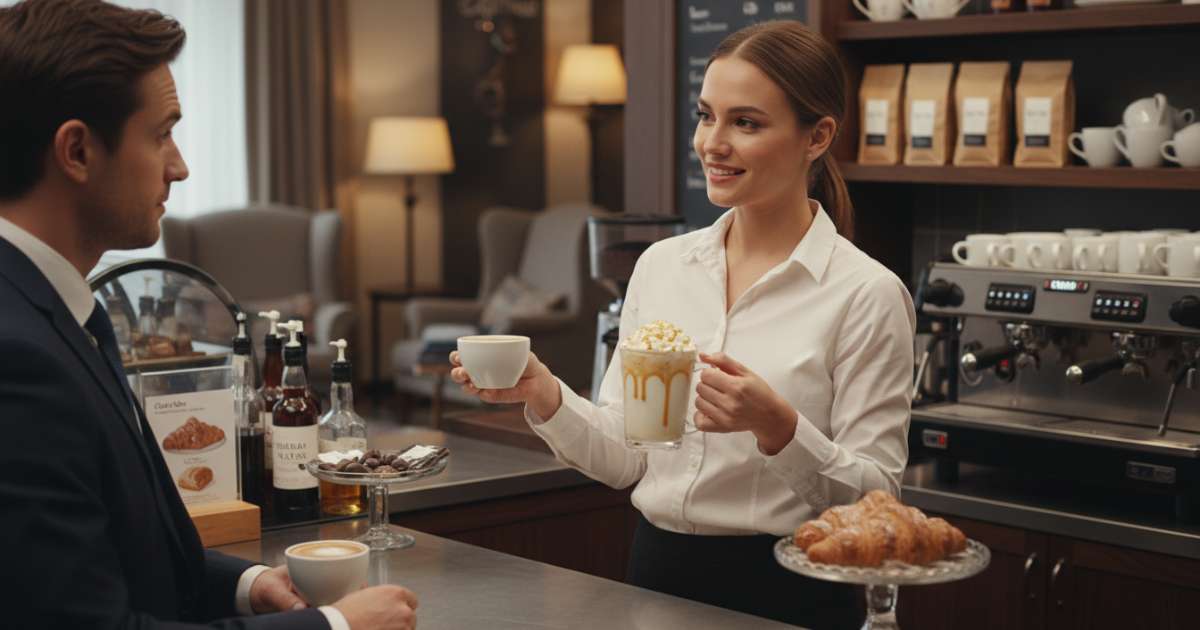
To master upselling, one must first understand that it is a service-oriented process. The primary goal of upselling should always be to provide more value to the buyer. If a customer is looking for a laptop for video editing, suggesting a model with more RAM and a faster processor is a logical form of upselling. This helps the customer avoid future frustration with a slow machine. Upselling works best when the suggestion is relevant to the current purchase and clearly demonstrates a benefit that the customer cares about.
The psychology of the buyer during upselling
The success of upselling often depends on the psychological state of the customer at the moment of purchase. Most people are more open to spending a little more once they have already committed to a base purchase. This is known as the momentum of the sale. By introducing upselling options during this window, businesses tap into the willingness of the consumer to finalize a complete solution. It is important to ensure that the upselling offer does not create choice paralysis, which happens when too many options are presented at once.
Relevance and timing in upselling strategies
Timing is everything when it comes to upselling. Offering an upgrade too early might scare away a hesitant lead, while offering it too late might disrupt the checkout process. Many successful companies integrate upselling at the point where the customer has added an item to their cart but has not yet paid. This allows the upselling suggestion to feel like a helpful reminder or a natural next step in the shopping journey.
Major benefits of upselling for business growth
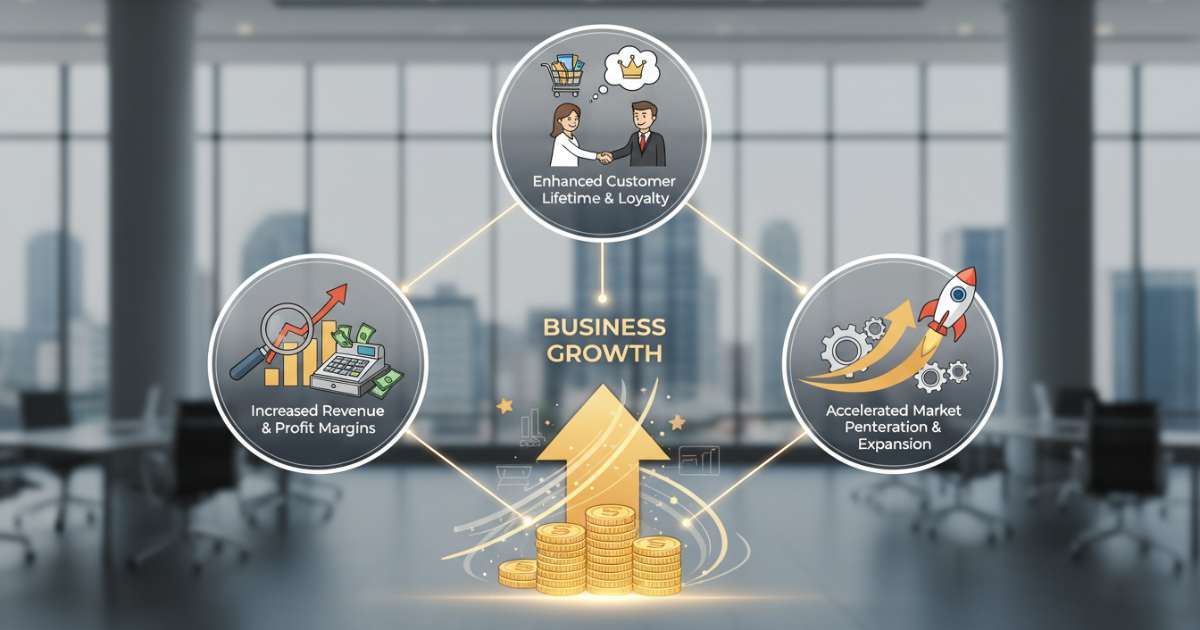
One of the most obvious benefits of upselling is the immediate increase in revenue. By moving a customer from a basic version of a product to a premium one, the profit margin typically increases. However, the benefits of upselling extend far beyond just the initial transaction. It plays a critical role in customer retention and long-term profitability. When a customer receives a product that truly meets their high-level needs through upselling, they are more likely to remain loyal to the brand.
Increasing the average order value
A primary metric for any retail or service business is the average order value. Through upselling, businesses can maximize the profit from every single person who walks through the door or visits the website. Instead of needing to find new customers, which is often expensive and difficult, upselling allows a company to grow by better serving the customers they already have. This makes upselling one of the most cost-effective ways to scale a business.
Building stronger customer relationships
Contrary to the belief that selling more is selfish, effective upselling actually builds trust. When a salesperson uses upselling techniques to help a customer avoid a mistake or get better results, the customer feels understood. This leads to higher satisfaction levels. A satisfied customer who feels that the upselling suggestion was genuinely helpful is much more likely to return for future purchases and recommend the business to others.
Key differences between upselling and cross selling
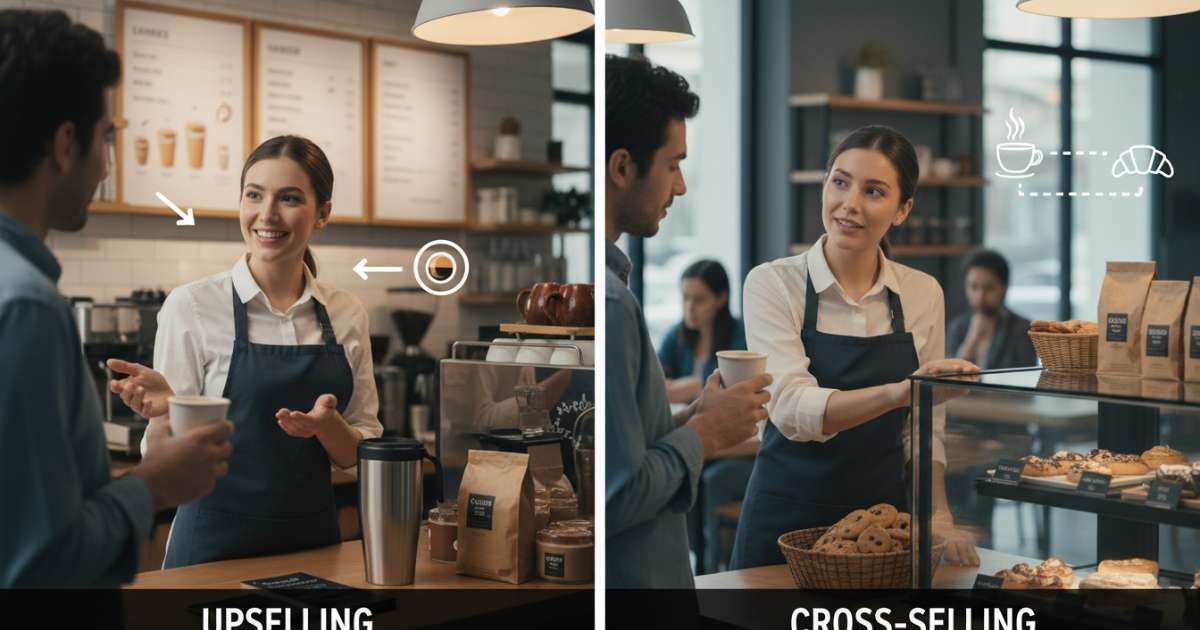
It is common for people to confuse upselling vs cross-selling, but they are distinct methods with different goals. While upselling focuses on getting the customer to buy a better version of the same thing, cross-selling involves suggesting related or complementary products. For example, if a customer is buying a camera, upselling would be suggesting a camera with a better sensor, while cross-selling would be suggesting a tripod or a carrying case.
Choosing between upselling and cross selling
Understanding when to use upselling vs cross-selling is vital for a smooth sales flow. Usually, upselling is more effective at the beginning of the selection process because it defines the core product the customer will use. Cross-selling is often more effective at the final checkout stage as an add-on. Both upselling and cross-selling can be used together to create a comprehensive package that provides the ultimate value to the user.
The impact of upselling vs cross-selling on inventory
From an operational standpoint, upselling helps move higher-end inventory that might have slower turnover rates. In the comparison of upselling vs cross-selling, upselling often yields higher margins because premium products are priced to include more profit. By balancing upselling with cross-selling, businesses can manage their stock levels more effectively while ensuring that every customer leaves with everything they need to succeed.
Effective upselling techniques to boost revenue

To see real results, businesses must employ effective upselling methods that feel natural and helpful. One of the most common upselling techniques is the use of tiered pricing. By showing three versions of a service, with the middle one being the most popular, businesses guide customers toward upselling themselves. This removes the pressure of a direct sales pitch and allows the customer to feel in control of their decision.
The power of social proof in upselling
Using testimonials and reviews is a great way to support upselling efforts. When a customer sees that others have chosen the premium version and are happy with it, they are more likely to accept an upselling offer. Phrases that indicate a certain upgrade is a top choice among experts or other users can make upselling feel much more credible. Social proof reduces the perceived risk of spending more money on an upgraded product.
Creating a sense of urgency for upselling
Limited-time offers are powerful upselling techniques. If a customer is told they can upgrade to a better version for a discounted price only for today, they are much more likely to take the upselling deal. However, this must be used honestly to maintain trust. False urgency can damage the brand. When used correctly, urgency helps the customer make a quick decision that ultimately leads to a better product experience through upselling.
How to train your team for successful upselling
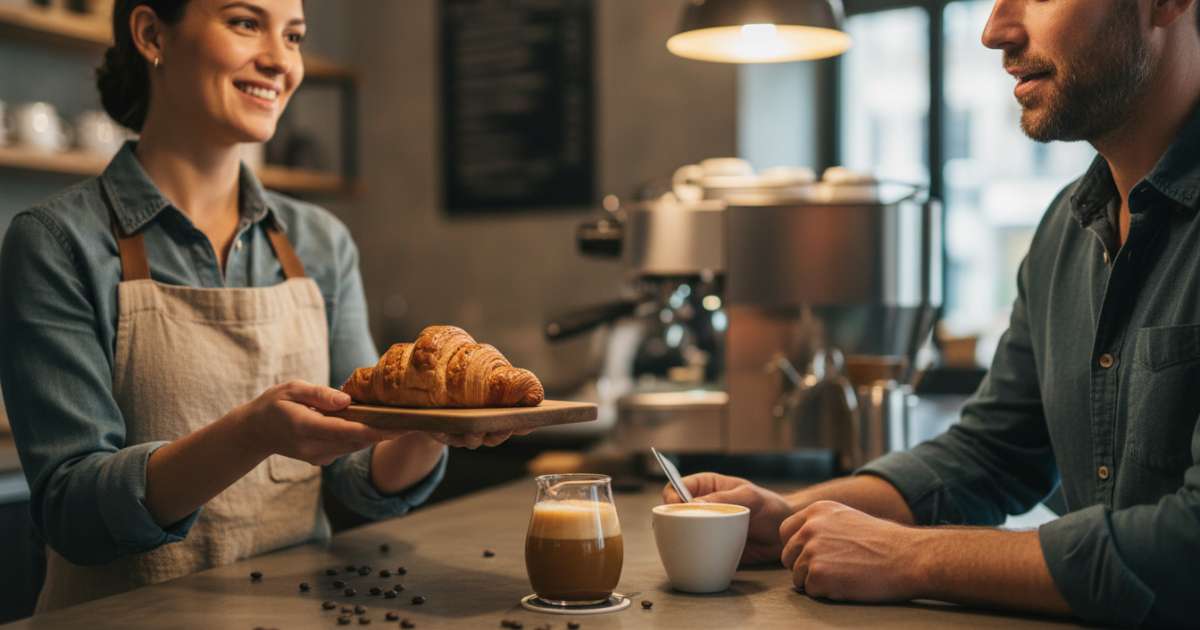
For upselling to work in a face-to-face or phone-based environment, the staff must be properly trained. They need to understand the products deeply so they can explain the benefits of upselling without sounding like they are reading a script. Training should focus on listening skills, as the best upselling opportunities come from listening to the problems the customer is trying to solve. If the staff can link the upselling option to a specific customer pain point, the sale becomes much easier.
Role playing upselling scenarios
Practice is essential for mastering upselling techniques. By role-playing different scenarios, employees can learn how to handle objections and how to transition into an upselling suggestion smoothly. They should learn to recognize buying signals that indicate a customer might be open to upselling. This proactive approach ensures that upselling becomes a natural part of the conversation rather than an awkward addition at the end.
Rewarding staff for effective upselling
Incentive programs can motivate employees to focus on upselling. When staff members are rewarded for increasing the average order value through upselling, they are more likely to look for those opportunities. However, it is important to balance these rewards with customer satisfaction scores. You do not want employees to force upselling on people who do not need it, as this will hurt the business in the long run. The best upselling happens when both the employee and the customer win.
Measuring the return on investment for upselling efforts
Like any business strategy, upselling must be measured to ensure it is working. Companies should track the conversion rate of upselling offers to see which ones are most attractive to their audience. By analyzing the data, a business can refine its upselling strategies over time. For instance, if a particular upselling offer is constantly rejected, it may be too expensive or not relevant enough to the base product.
Tracking customer lifetime value and upselling
One of the most important metrics to watch is the customer lifetime value. If upselling is done correctly, this value should go up. Customers who buy premium products often have a higher commitment to the brand. Monitoring how upselling affects long-term retention helps businesses understand the true value of their upselling techniques. If upselling leads to more returns or complaints, the strategy needs to be adjusted to focus more on genuine value.
Using software to automate upselling
In the digital age, many upselling tasks can be handled by software. E-commerce platforms can automatically show upselling options based on what is in the cart. These systems use algorithms to determine which upselling suggestions are most likely to convert. By using technology to assist with upselling, businesses can ensure a consistent experience for every user, regardless of when or where they shop. Automation also allows for easy testing of different upselling messages to see what works best.
Implementing a strong upselling strategy is a journey of constant improvement. By focusing on the customer, providing clear value, and using the right upselling techniques, any business can see a significant boost in its performance. Remember that upselling is a conversation about how to make the customer’s life better. When you approach upselling with that mindset, the revenue growth will naturally follow.
Choosing the right environment for your business is a form of upselling your own brand image and operational efficiency. At King Office, we provide premium office spaces that act as a significant upgrade for your company, helping you project a professional image to your clients and partners. By moving your team into a high-quality building, you are investing in a better work environment that can boost productivity and employee satisfaction, which is the ultimate goal of any strategic business upgrade.
We invite you to experience the difference that a professional office space can make for your growth. Our team is dedicated to helping you find the perfect location that fits your specific needs and budget. Don’t settle for a basic workspace when you can enjoy the premium amenities and strategic locations offered by King Office. Contact us today to explore our available listings and take the first step toward upselling your business success in a space that truly reflects your ambition.
🌐 Website 1: https://thuetoanhahcm.com/
🌐 Website 2: https://www.facebook.com/kingoffice.vn