
The modern business landscape has undergone a significant transformation in recent years, leading to the rise of omnichannel strategies as a standard for success. As consumers interact with brands across various platforms, the need for a unified approach becomes increasingly apparent. An omnichannel approach ensures that whether a customer is shopping on a mobile device, a desktop computer, or in a physical store, the experience remains consistent and fluid. This integration is no longer just an advantage but a necessity for companies aiming to maintain relevance in a competitive market. By focusing on the omnichannel customer experience, businesses can build stronger relationships with their audience and drive long term loyalty. Understanding the intricacies of this method requires a deep dive into how different channels work together to create a single, cohesive journey for the user.
The fundamental principles of omnichannel marketing

To implement an effective omnichannel marketing plan, one must first understand that it is fundamentally different from multichannel marketing. While multichannel focuses on being present on many platforms, omnichannel marketing focuses on connecting those platforms so the customer can move between them without friction. The core principle is customer centricity, where every decision is made based on the needs and behaviors of the shopper. By placing the individual at the center of the omnichannel strategy, brands can ensure that messaging is relevant and timely. This requires a high level of coordination between sales, marketing, and customer support departments to maintain a single voice across all touchpoints.
Customer centricity in a unified environment
In a traditional retail model, channels often operate in silos, which can lead to a fragmented experience. However, a successful omnichannel framework breaks these silos down to prioritize the customer journey. When a brand adopts an omnichannel approach, it tracks customer interactions across every medium. This means that if a customer adds an item to a cart on a mobile app, they should see that same item when they log in from a laptop. This level of synchronization is what defines a modern omnichannel customer experience. It demonstrates that the brand values the time and effort of the consumer, leading to higher satisfaction levels and a greater likelihood of repeat purchases.
The integration of online and offline channels
Another vital aspect of omnichannel marketing is the bridge between the digital and physical worlds. Many consumers today research products online before visiting a store to make a final purchase. Conversely, some may visit a showroom to see a product in person and then order it online for home delivery. An effective omnichannel retail strategy accommodates these hybrid behaviors. By integrating inventory systems, businesses can provide real time information about product availability in local stores. This transparency is a key component of omnichannel commerce, as it reduces frustration and builds trust between the brand and its customers.
Why every business needs a comprehensive omnichannel strategy

Developing a robust omnichannel strategy is essential for maximizing the value of every customer interaction. In the past, businesses could survive by excelling in just one area, such as a brick and mortar shop or a catalog. Today, the path to purchase is non linear and often involves multiple devices and locations. Without a clear omnichannel plan, companies risk losing potential sales to competitors who offer a more convenient and connected experience. A well executed omnichannel marketing effort allows a brand to be present where their customers are, providing the right information at the exact moment it is needed.
Increasing customer lifetime value through consistency
One of the primary benefits of an omnichannel model is the increase in customer lifetime value. Research consistently shows that shoppers who engage with a brand across multiple channels spend more than those who only use one. This is because an omnichannel customer experience makes it easier for people to buy whenever and wherever they choose. By removing barriers to purchase, a business can increase the frequency of transactions. Furthermore, the data gathered through an omnichannel strategy allows for better personalization, which encourages customers to remain loyal to the brand over a longer period.
Reaching customers at the right moment
Timing is everything in the world of modern commerce. An omnichannel approach enables businesses to use data to understand when a customer is most likely to convert. For example, using location based services can help a retailer send a personalized offer to a customer mobile phone when they are near a physical store. This type of omnichannel marketing leverages technology to create opportunities for engagement that feel natural rather than intrusive. When a brand can meet a customer needs in real time, it strengthens the overall omnichannel customer experience and drives immediate results.
Creating a seamless omnichannel customer experience
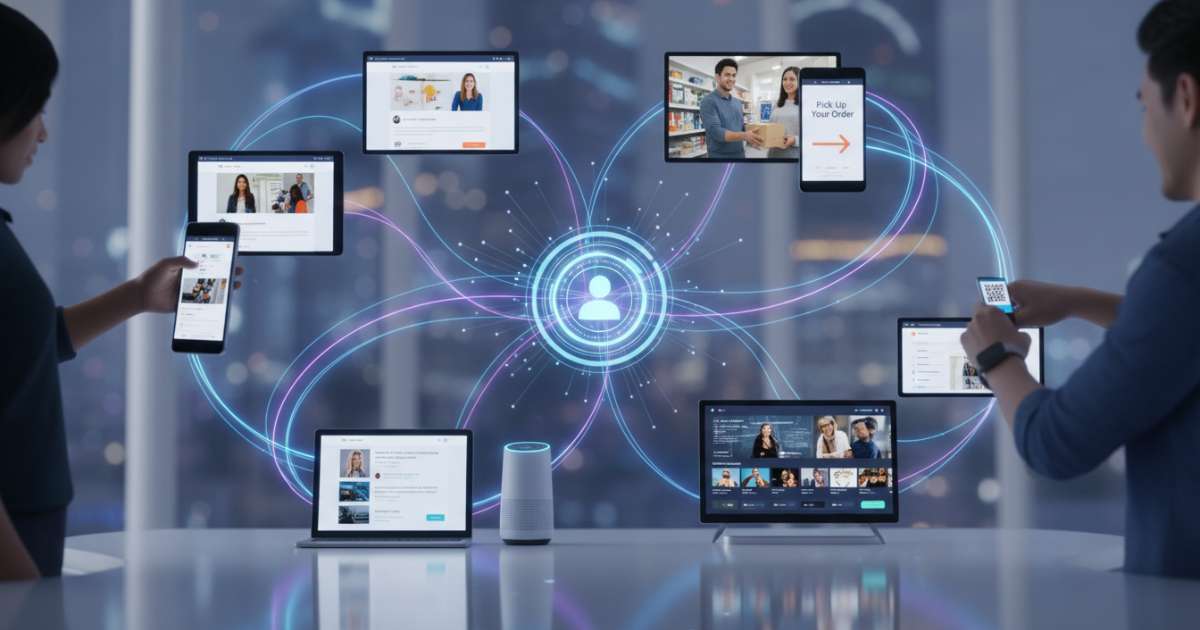
The hallmark of a great omnichannel brand is a seamless transition between different stages of the buying process. This requires a deep investment in technology and a commitment to maintaining brand consistency. Whether a customer is reading an email, browsing social media, or talking to a sales representative, the tone, visual identity, and offer should be the same. A disjointed omnichannel customer experience can confuse the audience and damage the reputation of the business. Therefore, maintaining a unified brand image is a top priority for any omnichannel strategy.
Personalization at every touchpoint
Personalization is the engine that drives a successful omnichannel journey. By utilizing data from various sources, companies can create highly targeted messages that resonate with individual preferences. In an omnichannel marketing context, this might mean recommending products based on past purchase history or browsing behavior across different devices. When a customer feels that a brand understands their specific needs, they are much more likely to engage. This personalized omnichannel customer experience transforms a simple transaction into a meaningful relationship, which is the ultimate goal of any omnichannel commerce initiative.
Consistency in pricing and promotions
Nothing frustrates a customer more than finding different prices for the same product on a brand website versus their physical store. To avoid this, an omnichannel retail operation must ensure that all pricing and promotional data is synchronized in real time. This consistency is a pillar of the omnichannel philosophy. If a discount code is offered in an email, it should be valid both online and at the checkout counter in a store. By providing a uniform pricing structure, businesses reinforce the reliability of their omnichannel strategy and prevent negative experiences that could drive customers away.
Practical steps for successful omnichannel retail
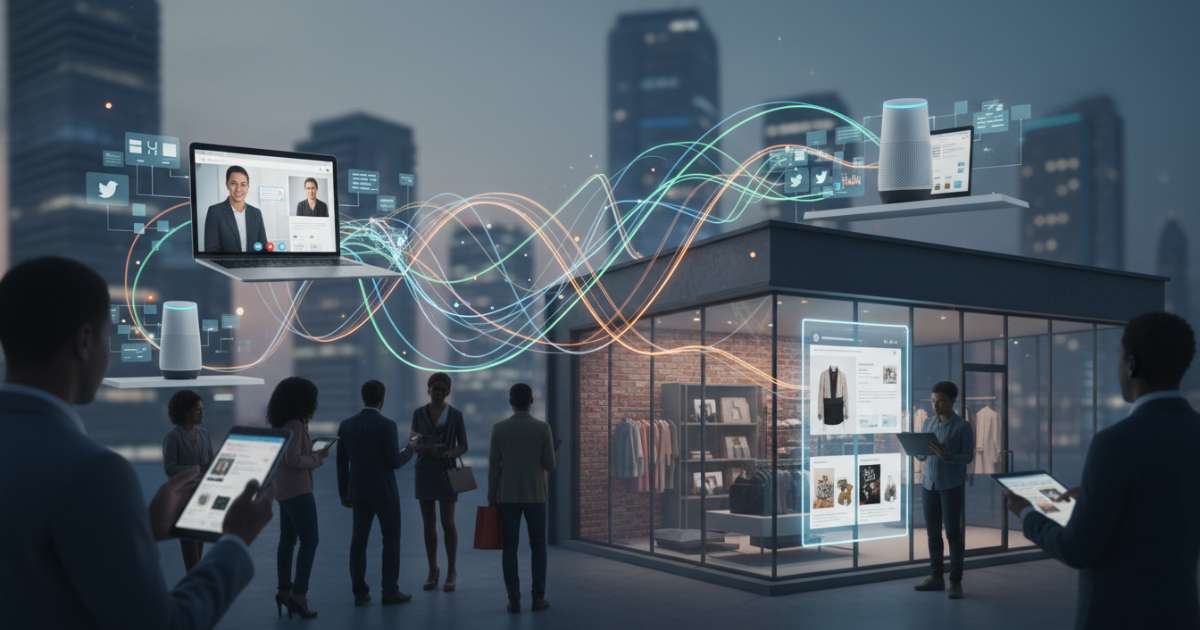
Transitioning to an omnichannel retail model requires a significant shift in both technology and organizational culture. It is not something that happens overnight, but rather a gradual process of integration. The first step is often the consolidation of data into a single source of truth. Without accurate data, it is impossible to provide a consistent omnichannel customer experience. Businesses must invest in software that can track inventory, customer interactions, and sales across every channel in real time. This technological foundation is what allows an omnichannel business to scale and adapt to changing market conditions.
Investing in the right technology stack
The success of an omnichannel strategy depends heavily on the tools used to manage it. An integrated system that connects the e-commerce platform, the point of sale system, and the customer relationship management software is vital. This allows for the smooth flow of information, ensuring that everyone in the company has access to the same data. In the context of omnichannel marketing, having a unified view of the customer allows for more accurate targeting and better measurement of campaign performance. Choosing the right technology is perhaps the most important decision a company will make when building their omnichannel infrastructure.
Training staff for a unified approach
While technology is important, the human element cannot be ignored in an omnichannel retail environment. Employees must be trained to understand how the different channels work together. For instance, a store associate should be able to help a customer find an item online if it is not available on the shelf. This requires a shift in mindset from focusing on individual channel sales to focusing on the total omnichannel customer experience. When staff members are empowered with the right tools and knowledge, they become an essential part of the omnichannel strategy, providing a level of service that digital channels alone cannot match.
The evolution of omnichannel commerce in the digital age
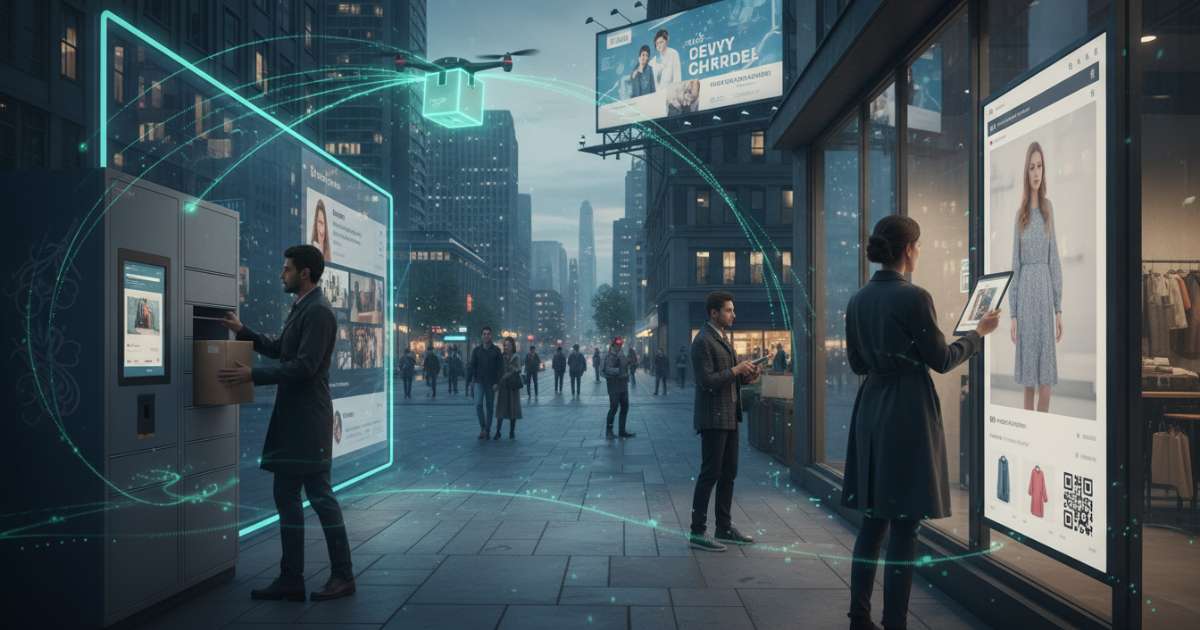
As technology continues to evolve, the definition of omnichannel commerce is expanding to include new and innovative touchpoints. From voice assistants to social media shopping, the number of ways a consumer can interact with a brand is growing rapidly. A forward thinking omnichannel strategy must be flexible enough to incorporate these new channels as they emerge. The goal is to create a future proof omnichannel ecosystem that can adapt to whatever the next big trend might be. This requires a constant cycle of testing, learning, and optimizing every part of the omnichannel marketing mix.
Artificial intelligence and personalization
Artificial intelligence is playing an increasingly important role in the omnichannel customer experience. By analyzing vast amounts of data, AI can predict customer behavior and automate personalized interactions at scale. This allows omnichannel brands to deliver relevant content to thousands of individuals simultaneously. Whether it is a chatbot providing instant support or an algorithm suggesting the perfect product, AI enhances the efficiency of an omnichannel strategy. As these technologies become more accessible, they will become a standard component of omnichannel commerce for businesses of all sizes.
The role of physical spaces in a digital world
Despite the growth of online shopping, physical locations remain a critical part of the omnichannel retail landscape. However, the purpose of these spaces is changing. Instead of just being a place to hold inventory, stores are becoming experience centers where customers can interact with the brand in person. An omnichannel approach uses physical stores to support digital sales through services like in store pickups and easy returns. By reimagining the role of the physical store, businesses can create a more holistic omnichannel customer experience that leverages the strengths of both online and offline worlds.
Common mistakes to avoid in an omnichannel approach
Even with the best intentions, many businesses struggle to execute a perfect omnichannel strategy. One of the most common mistakes is failing to optimize for mobile devices. Since a large portion of the omnichannel journey happens on smartphones, a poor mobile experience can break the entire chain. Another frequent error is ignoring the importance of data security. As brands collect more information to fuel their omnichannel marketing, they must also ensure that this data is protected. A breach of trust can be devastating to the omnichannel customer experience and hard to recover from.
Ignoring mobile optimization
Mobile is often the first point of contact in an omnichannel journey. If a website is slow or difficult to navigate on a phone, the customer will likely abandon the brand before they even consider other channels. Therefore, mobile optimization should be a cornerstone of any omnichannel marketing plan. This includes everything from responsive design to mobile friendly payment options. An omnichannel strategy that does not prioritize mobile is incomplete and will likely fail to meet the expectations of modern consumers who demand speed and convenience at their fingertips.
Failure to sync inventory data
Inaccurate inventory information is a major hurdle in omnichannel retail. If a customer sees that an item is in stock online but finds it unavailable when they arrive at the store, the omnichannel customer experience is ruined. To prevent this, businesses must implement robust inventory management systems that update across all platforms in real time. This level of accuracy is essential for omnichannel commerce to function effectively. By providing reliable information, brands can ensure that their omnichannel efforts lead to successful transactions and satisfied customers rather than disappointment.
If you are looking for a professional environment to manage your business operations and grow your omnichannel strategy, King Office offers the perfect solution. Our premium office spaces in Ho Chi Minh City provide the infrastructure and prestige your brand needs to succeed in a competitive market. We understand that a physical presence is a vital part of a comprehensive omnichannel approach, and we are here to support your growth journey.
Choosing King Office means joining a community of successful businesses that value quality and convenience. Our dedicated team is ready to help you find the ideal workspace that aligns with your professional goals and enhances your brand image. Contact us today to explore our available listings and take the next step in building a powerful omnichannel customer experience for your clients.
🌐 Website 1: https://thuetoanhahcm.com/
🌐 Website 2: https://www.facebook.com/kingoffice.vn